Which Best Describes an Abiotic Limiting Factor in a Population
Infl uence of abiotic Factors. Which of the following would be considered and abiotic nonliving factor for environmental resistance.
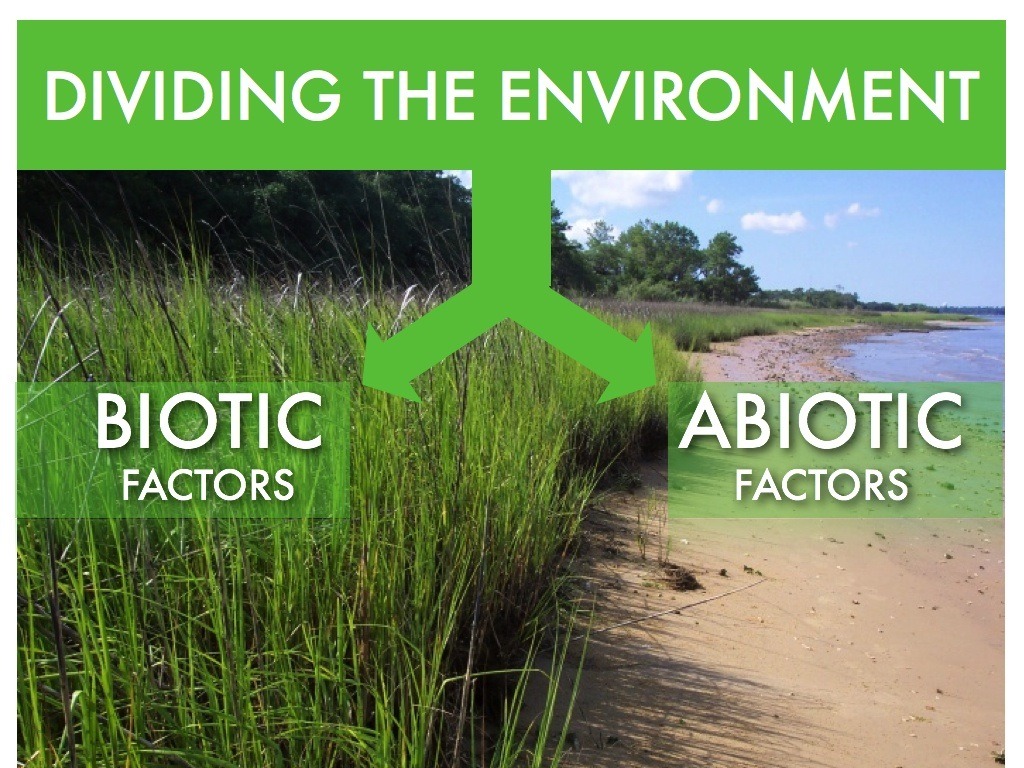
Biotic And Abiotic Factors Environment Quiz Quizizz
Which best describes an abiotic limiting factor in a population.
. The availability of water. The chart below shows the human population and the fox population in an area. Exponential growth means non-limiting factors control population size and logistic growth means limiting factors control population size.
The whales will increase in number. All the biotic and abiotic factors and the interactions among them in a given area. The limiting factor in an ecosystem can change but only one factor is in effect at a time.
Which best explains the relationship between the human and fox populations in the ecosystem. Which statement best describes the predator-prey relationship displayed on this graph. Which best describes an abiotic limiting factor in a population.
Ecosystems Round 2 DRAFT. In the natural world limiting factors like the availability of food water shelter and space can change animal and plant populations. The type of herbivores present.
Exponential growth means populations are not limited in size and logistic growth means the environment limits population size. Abiotic factors are. Limiting factors are environmental biotic or abiotic conditions that act directly on populations and individuals limiting their distribution and growth.
The biotic and abiotic factors that limit population size are space food shelter water climate competitive exclusion and temperature. An example of a limiting factor is the amount of sunlight in a rainforest. Limiting factors may be biotic such as the availability of food or abiotic such as access to water.
Abiotic factors are physical aspects of the environment that non-chemical in nature which tend to affect living things. Which best describes an abiotic limiting factor in a population. A Brief Overview of Abiotic Factors Affecting Population Definition and types of abiotic factors.
Up to 24 cash back Both abiotic and biotic factors determine where a species can live. 3 What happens when a population meets its carrying capacity. Which is an abiotic factor that would affect the growth of a population within an ecosystem.
Which best describes how the deer population will change as a result of clearing the land to build. The growth of plants on the forest floor is limited by light availability. Human infl uences oft en act as limiting factors.
2 What best describes the carrying capacity of a population. Other limiting factors like competition for resources. The availability of producers.
If all limiting factors were removed populations would grow _____. One way to decrease the number of flying insects on your property is to increase bat populations by building bat houses. What factors can limit population size.
Which of the following is the best example of a limiting factor for a rabbit population. 6 What determines the carrying capacity of. In this case which is most likely the limiting factor for the bat population.
Sunlight air precipitation minerals and soil are some examples of abiotic factors. These factors affect the normal existence of both plants and animals and influence how ecosystems operate. 18 Questions Show answers.
5 What are the three or four most important factors required to sustain a population. Which survivorship curve BEST describes the life expectancy of the Yellow Mud Turtle. Exponential growth means abiotic factors control population size and logistic growth means biotic factors.
1 What Primarily Determines The Carrying Capacity Of A Population. For instance without an adequate amount of sunlight autotrophic organisms may not be able to survive. Large blooms of algae on the surface of a lake keep which abiotic factor from reaching the bottom.
The carrying capacity might be affected by different limiting factors that might be either dense dependent like competition or predation or dense. 4 Can limiting factors be biotic and abiotic. Type III Early Loss.
Limiting factors reduce the speed of a populations growth. If krill is a primary food source for a local population of whales which will most likely happen to the whales if the krill population suddenly doubles. A limiting factor is any factor that places an upper limit on the size of a population.
These factors have a significant impact on the survival and reproduction of species in an ecosystem. These factors affect natality and mortality rate migration etcetera. Which best describes an abiotic limiting factor in a population.
A limiting factor may be biotic or abiotic.
Ecosystems Round 2 Earth Sciences Quiz Quizizz

Chapter 4 Population Ecology Review Quiz Quizizz
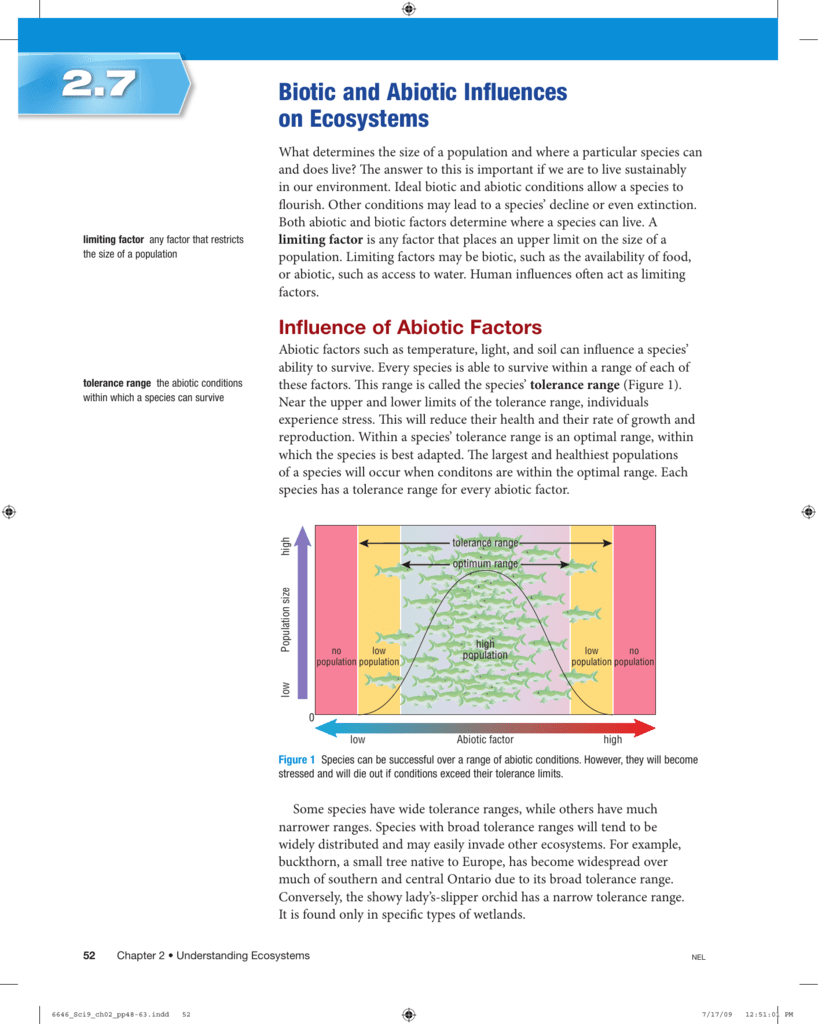
Biotic And Abiotic Influences On Ecosystems


Comments
Post a Comment